Independent editorial article
World Children’s Day 2026: even the youngest children have a voice
On November 20, UNICEF invites us to listen to children from their earliest years.
A child pointing to a favorite toy, a preschooler telling a story, a toddler seeking comfort: these everyday moments express the right to be heard. World Children’s Day takes place on Friday, November 20, 2026. UNICEF’s campaign My day, my rights, my future invites us to recognize children’s voices, including those who cannot yet speak.
Why November 20?
On November 20, 1959, the United Nations adopted the Declaration of the Rights of the Child. On the same date in 1989, it adopted the Convention on the Rights of the Child. Its 54 articles recognize children as individuals with rights of their own. The annual observance reminds governments of their commitments and the work still needed to fulfill them.
The 2026 theme: listening to children to build the future
Adults’ decisions shape the world children will grow up in. Article 12 recognizes the right of children capable of forming views to express them freely on matters affecting them, with due weight given according to age and maturity. Even very young children communicate preferences, distress, and a need for comfort. Listening also means noticing gestures, expressions, and behavior.
What are children’s fundamental rights?
The Convention’s four general principles are non-discrimination, the best interests of the child, life and development, and respect for children’s views. Its rights include:
- Equality: freedom from discrimination.
- Health: access to care.
- Education: opportunities to learn.
- Protection: safety from violence and exploitation.
- Being heard: consideration of views according to age and maturity.
- Play and rest: leisure and recreation.
- Identity: a name and recognition of identity.
These rights are not rewards to earn. They belong to every child and require commitment from governments, families, and society.
The right to play: more than a pastime
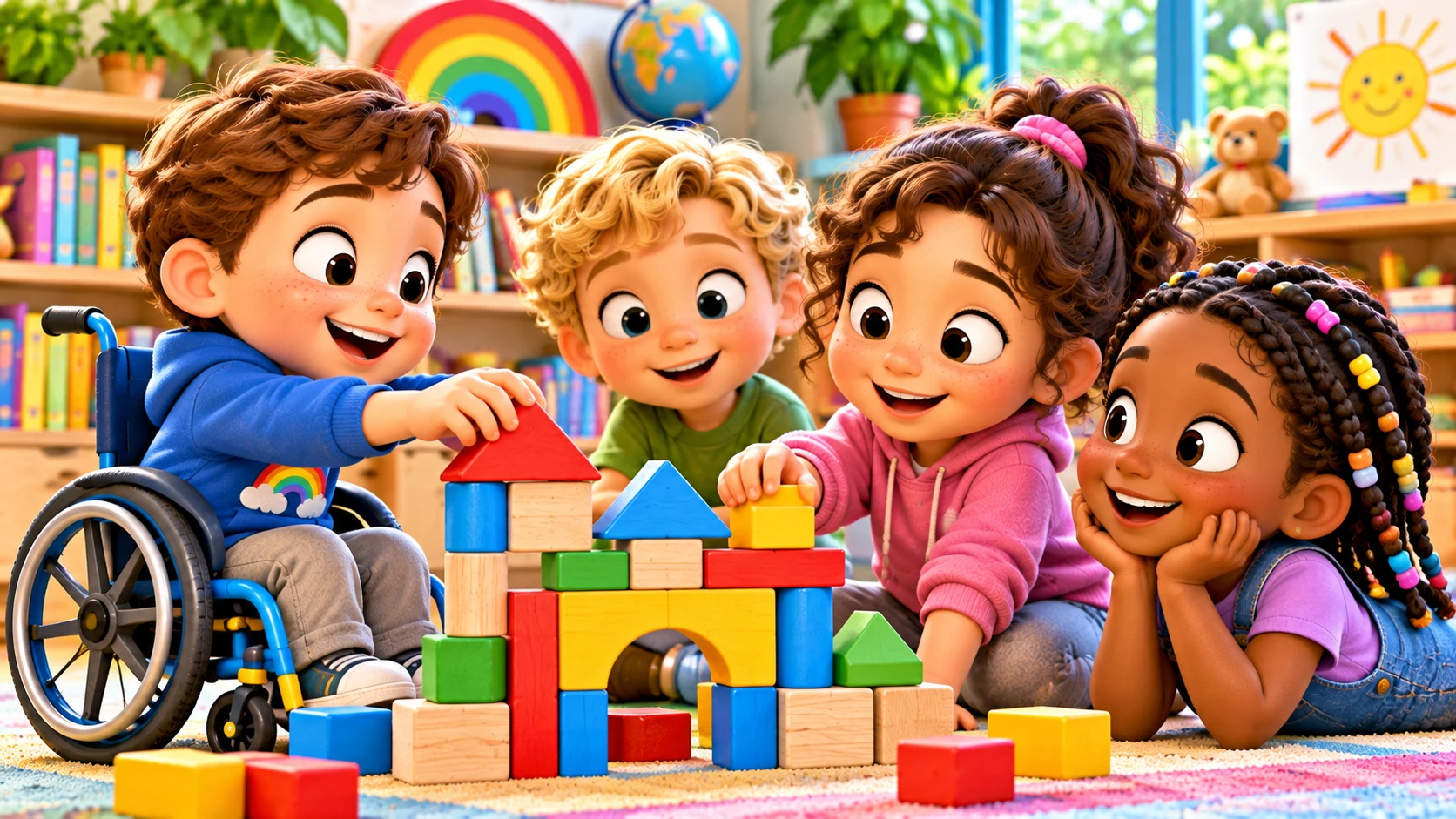
Article 31 protects rest, leisure, play, and participation in cultural and artistic life. A box can become a house, a sheet of paper a landscape, and a melody a shared moment. Not every activity needs a learning objective. Protecting the right to play means creating safe, accessible environments where children with different needs can participate.
Activities for November 20
The observance gives educational communities an opportunity to organize reading sessions, creative workshops, and activities that invite participation. Check official programs from local libraries, schools, and community services. UNICEF’s international campaign provides a shared starting point.
An example from Italy: children’s voices in Bolzano
The children’s rights ombudsperson of the Autonomous Province of Bolzano announced Our rights. Our voices., with seven videos planned from November 14 to 20 in Italian, German, and Ladin.
How to explain rights to children ages 1 to 5
There is no need to memorize a legal document. Start with familiar experiences: playing, resting, receiving care, and feeling welcome. Stories and characters can introduce these ideas in age-appropriate language while leaving room for questions.
Ages 1 to 2: experiencing respect through everyday gestures
Responding to signals, offering comfort, providing simple choices, and respecting rest are concrete ways to recognize needs. Pointing to a book they want to look at can be an early opportunity to participate.
Ages 3 to 5: discovering rights through play
A story about a character left out of a game can start a conversation: How do they feel? How can we help? Can everyone play together? There is no need for a particular answer; the value lies in observing, imagining, and sharing ideas.
Three activities for home and preschool
Here are three suggestions from the Ananawi editorial team, adaptable to children’s ages, abilities, and interests.
1. A circle of little voices
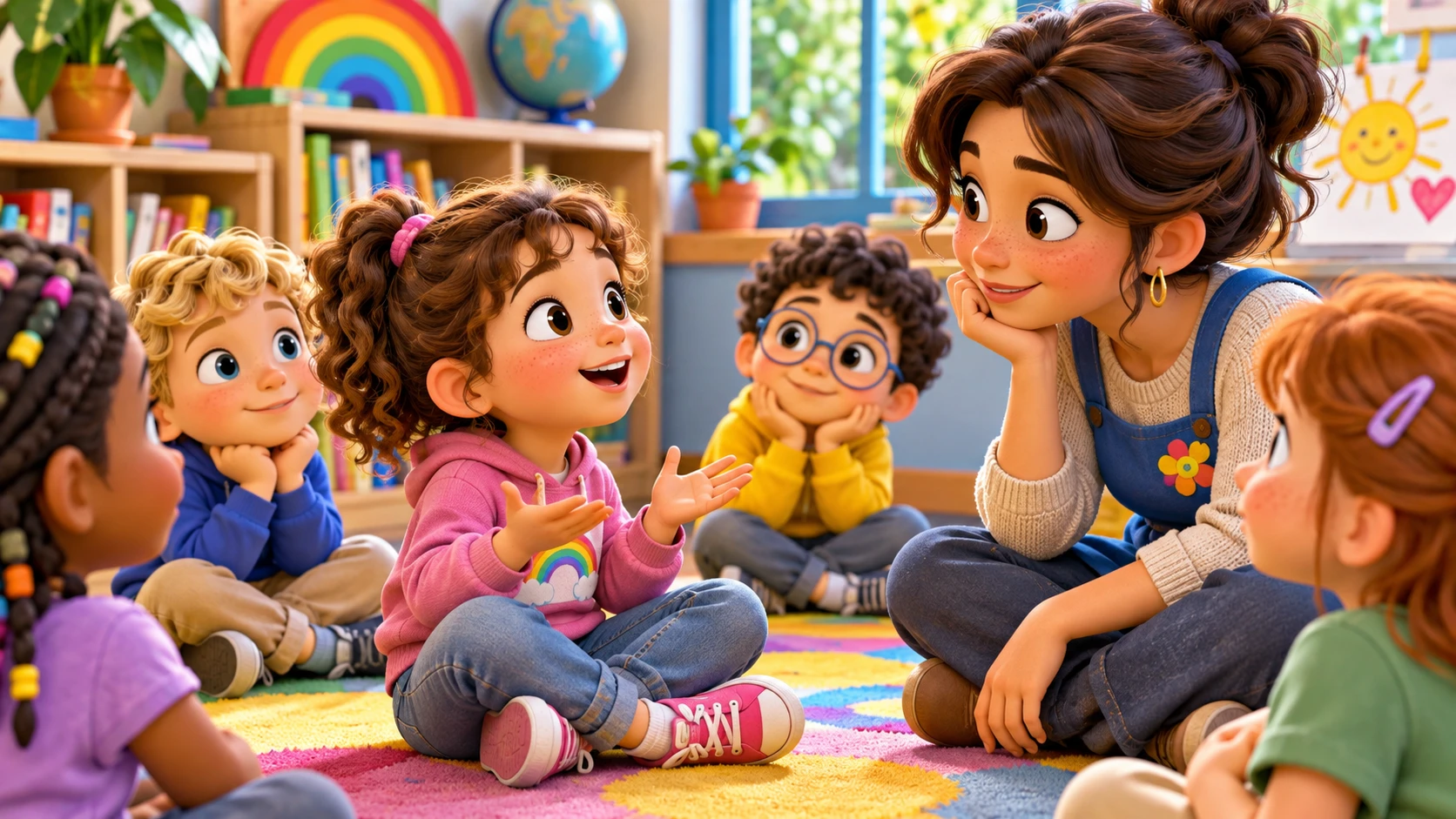
Sit in a circle and invite each child to tell, point to, or show something they like. They can participate with a gesture or drawing, without being required to speak. The adult listens without interrupting. The right to discover: being heard and respected.
2. A big drawing about rights
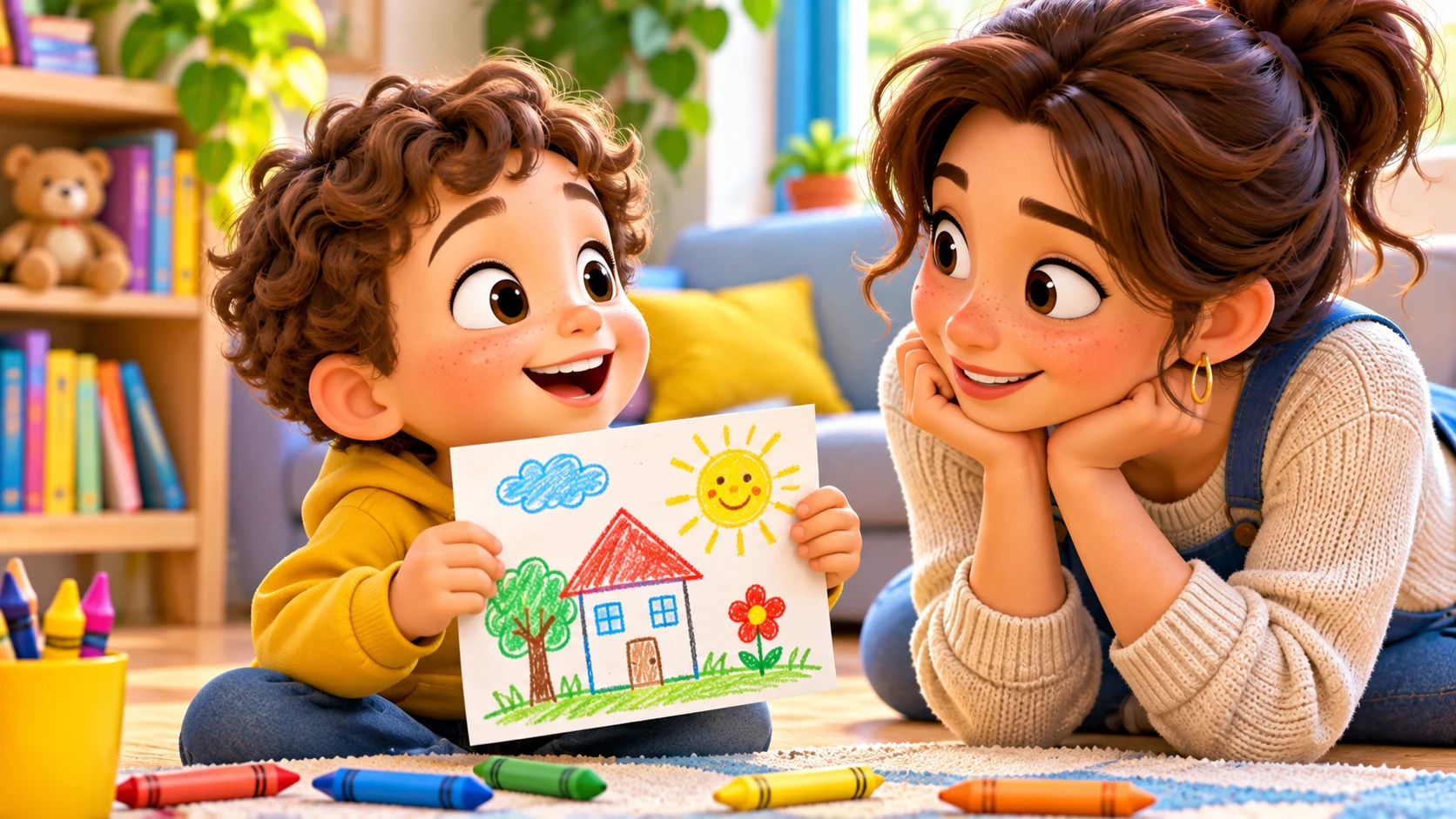
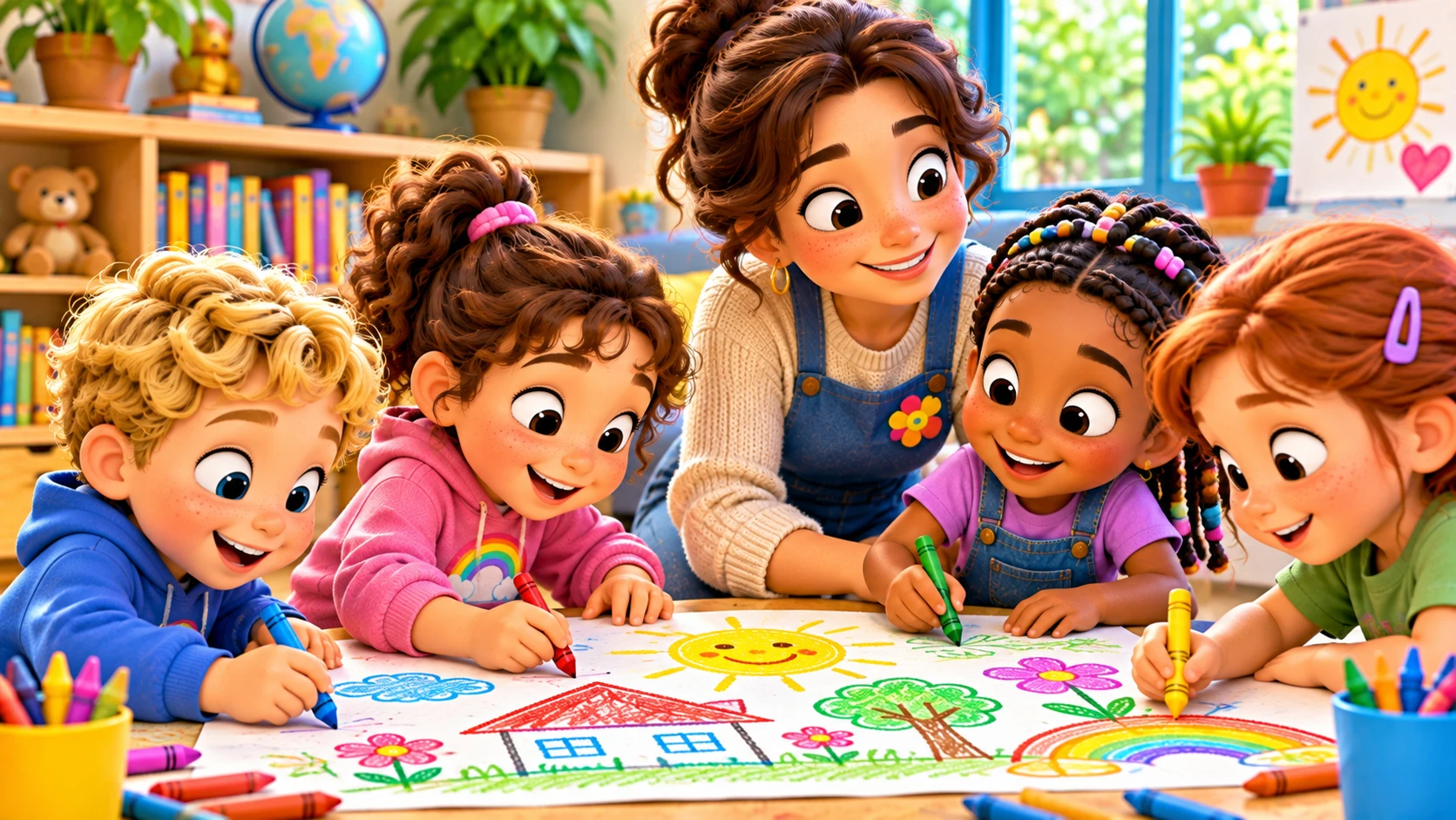
Provide a large sheet of paper and age-appropriate, non-toxic art supplies under adult supervision. Invite children to draw something that makes them feel good: a person, a game, or a place. Younger children can make simple marks. Perfection is not the goal; everyone needs room to express themselves. The right to discover: expression and participation.
3. A story where nobody is left out
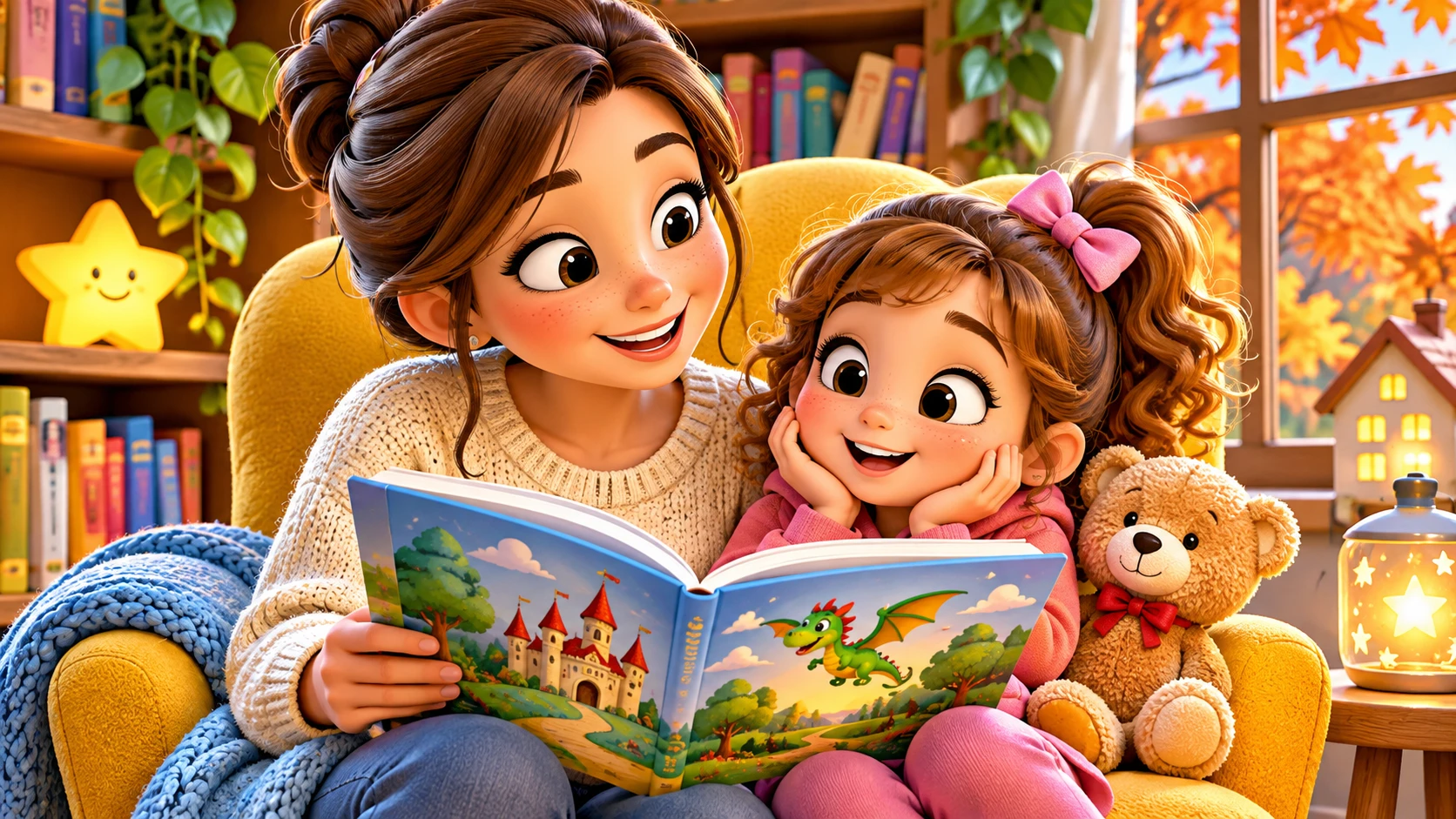
Read or invent a story in which a character faces a difficulty and receives help. Let children look, comment, or imagine an ending. The right to discover: belonging and participating without discrimination.
Listening does not mean giving up rules
Adults remain responsible for protection and appropriate boundaries. When a child does not want to stop playing, acknowledge the feeling while keeping the limit: I know you want to keep playing. It’s time to rest now. We can play again tomorrow. Being heard does not mean always getting what you want.
Children’s rights matter every day, not just November 20
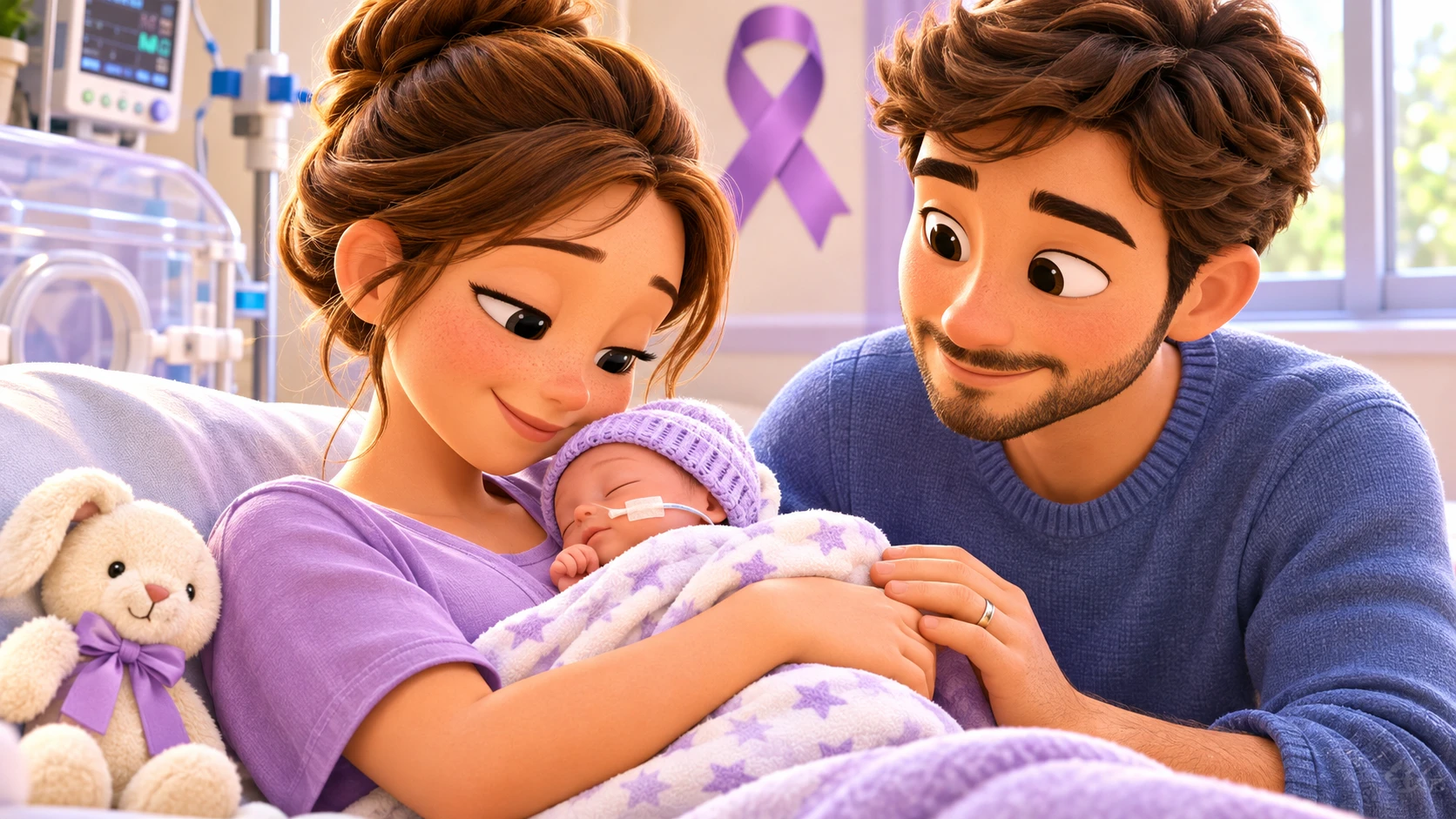
Accessible education, public policies, social protection, and cultural opportunities are essential. Everyday actions also build a culture of respect: listening, reading together, welcoming differences, and playing. Rights do not begin when children learn to speak or start school. They belong to children from the first day of life.
Families and educators can explore stories and creative resources on the Ananawi website.