Independent editorial article
Nati per Leggere 2026: sharing the magic of stories
Italy’s national reading week runs November 14–22, celebrating shared reading from birth.
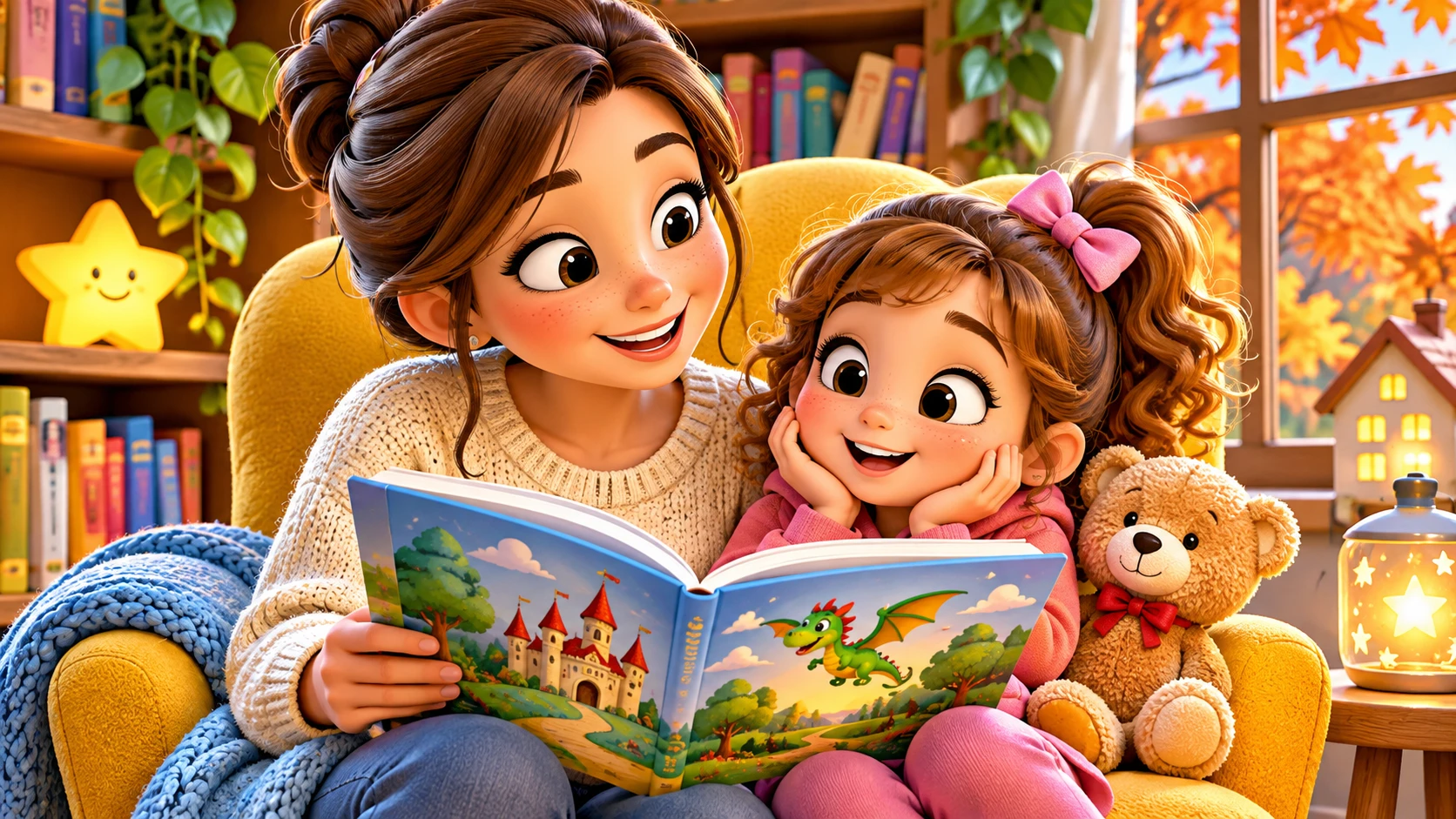
An open book, a familiar voice and a child pointing at a character: a few pages can create a special moment. Italy’s national Nati per Leggere week returns November 14–22, 2026. This year’s Italian theme invites families to read together as a way of spending time together.
What is Nati per Leggere?
Founded in 1999, the Italian program promotes reading in families with children up to age six. It is supported by the Italian Cultural Association of Pediatricians, the Italian Library Association and the Center for Child Health. Librarians, pediatricians, educators and volunteers help families discover books. The national week takes place close to World Children’s Day on November 20.
Reading to spend time together
Amid busy schedules and notifications, opening a book can create a quiet moment. Children hear a familiar voice, look at pictures and join in with gestures and questions. Adults discover which characters and emotions capture their attention. Shared reading is also a chance to get to know each other.

Why read before children can read themselves?
Children do not need to recognize letters to enjoy stories. Shared reading offers opportunities to hear language, explore pictures and interact. The American Academy of Pediatrics recommends shared reading from birth. It need not become a lesson: enjoying the experience matters.
Choosing stories for ages 1–5
Ages 1–2: pictures and first words
Choose sturdy books, recognizable pictures and short text. Name animals, imitate their sounds and notice colors. If your child returns to the same picture or skips pages, follow their curiosity.
Ages 3–5: emotions and imagination
Stories can introduce friendship, small challenges and feelings. Invite children to imagine the next page or a different ending without constantly correcting them. Each child has their own pace.
Five ways to make reading special
- Let children choose the book, even the same one again.
- Create a quiet corner with a cushion or rug.
- Play with voices, pauses and sounds.
- Welcome questions and interruptions.
- Follow the child’s pace and stop when interest fades.
You do not have to finish every book. The aim is to build an enjoyable habit, not reach a target.
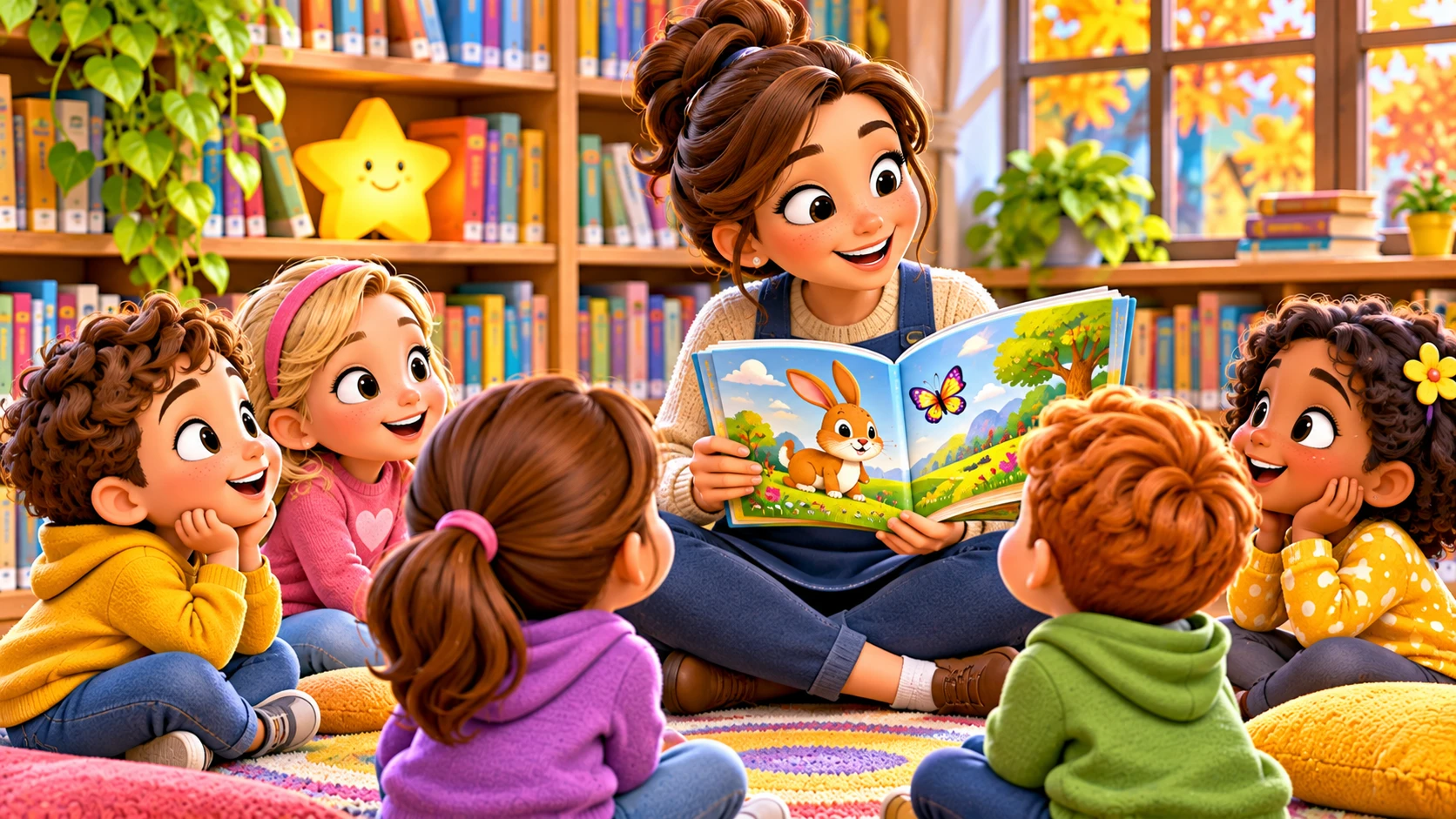
Reading events in Italian libraries
Libraries and educational organizations offer readings and family events during the Italian week. Brescia, Pesaro and Spoleto are among the cities announcing activities. Check local schedules for times, age groups and reservations. Outside Italy, ask your local library about similar storytimes.
Picture books and digital stories: finding a balance
Printed books let children touch and turn pages without digital distractions. Digital stories can complement them when selected and shared by an adult in line with age-appropriate pediatric guidance. Prioritize hands-on play and direct interaction: technology should not replace an adult’s presence.
A story a day, a moment to remember
A story after lunch or before bed can become something to look forward to. You do not need a large home library or a professional storytelling voice. The joy of reading together can continue long after the national week ends.
Sources and references
- Nati per Leggere – Settimana nazionale
- American Academy of Pediatrics – How to Share Books with Your Baby
- American Academy of Pediatrics – How to Share Books With Your Preschooler
- Comune di Brescia – Settimana nazionale Nati per Leggere
- Comune di Pesaro – Settimana nazionale Nati per Leggere
- Comune di Spoleto – Settimana nazionale Nati per Leggere