Independent editorial article
World Prematurity Day 2026: small beginnings, big possibilities
November 15 highlights the importance of care after hospital discharge.
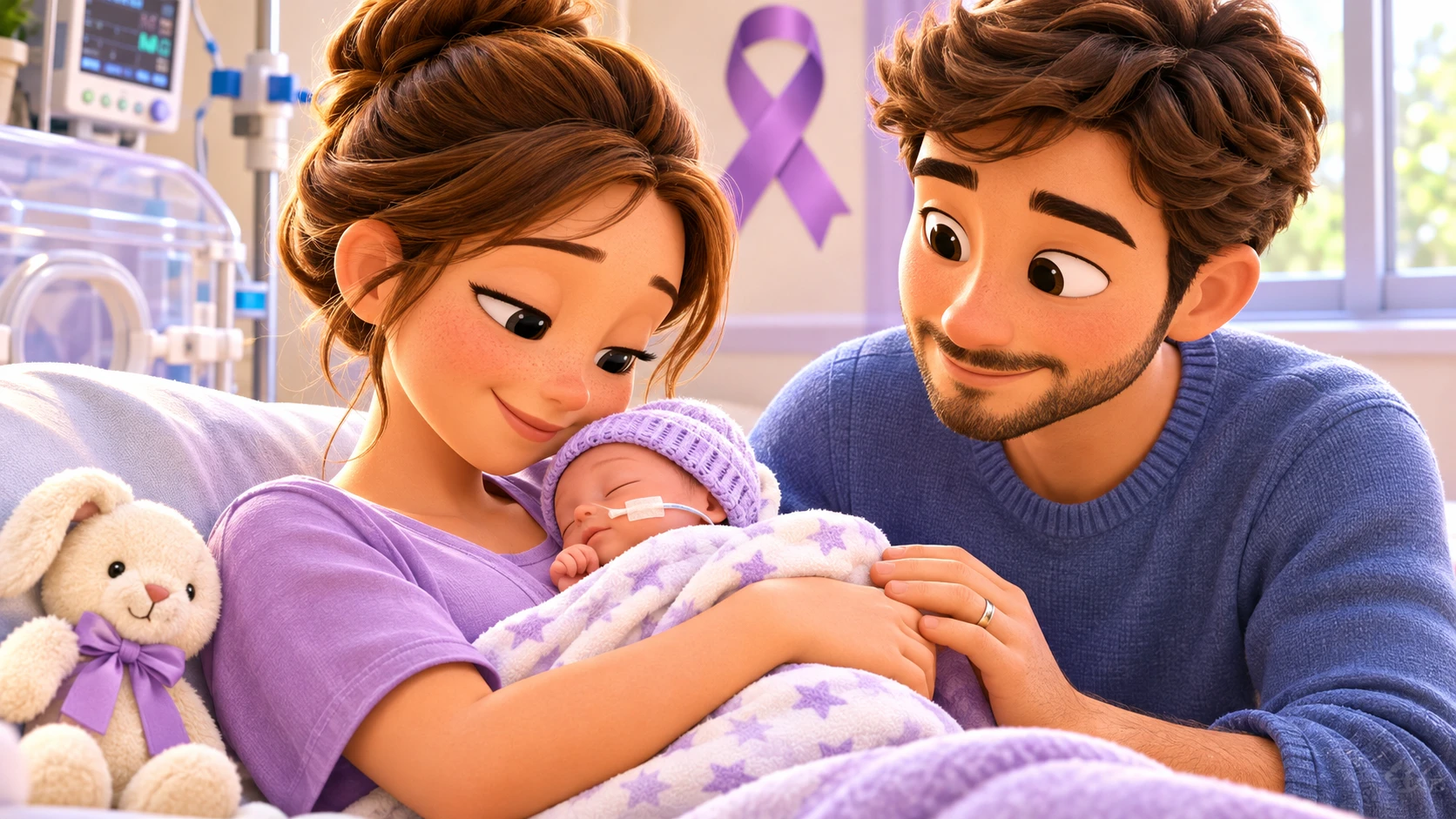
A tiny hand, a glimpse through an incubator, the longing to hold a baby. For many families, parenthood begins with waiting, hope and uncertainty. On November 15, 2026, World Prematurity Day draws attention to babies born too soon and those who support them, including after discharge.
Why has the date changed?
The initiative began in 2008 and was first celebrated in 2009, traditionally on November 17. In 2025 the World Health Assembly added it to the WHO calendar. From 2026 it takes place on November 15 to avoid overlapping with World Cervical Cancer Elimination Day.
The 2026 theme: care that continues
The WHO campaign calls for investment in follow-up care. Leaving hospital is a milestone, but some babies still need check-ups, developmental assessments and specialist services. Families should have access to appropriate information and support. Every journey is different.
What does preterm birth mean?
A baby is born preterm before 37 completed weeks of pregnancy. WHO distinguishes three categories by gestational age.
- Extremely preterm: before 28 weeks.
- Very preterm: 28 to under 32 weeks.
- Moderate to late preterm: 32 to under 37 weeks.
Care needs vary with the circumstances of birth and individual history. Each family should rely on the healthcare team caring for their baby.
One in ten babies is born too soon
WHO and UNICEF estimates published in 2023 indicate around 13.4 million preterm births in 2020. Access to specialist staff and appropriate services varies between countries. Reducing these inequalities is one purpose of the awareness day.
Parents during hospital care
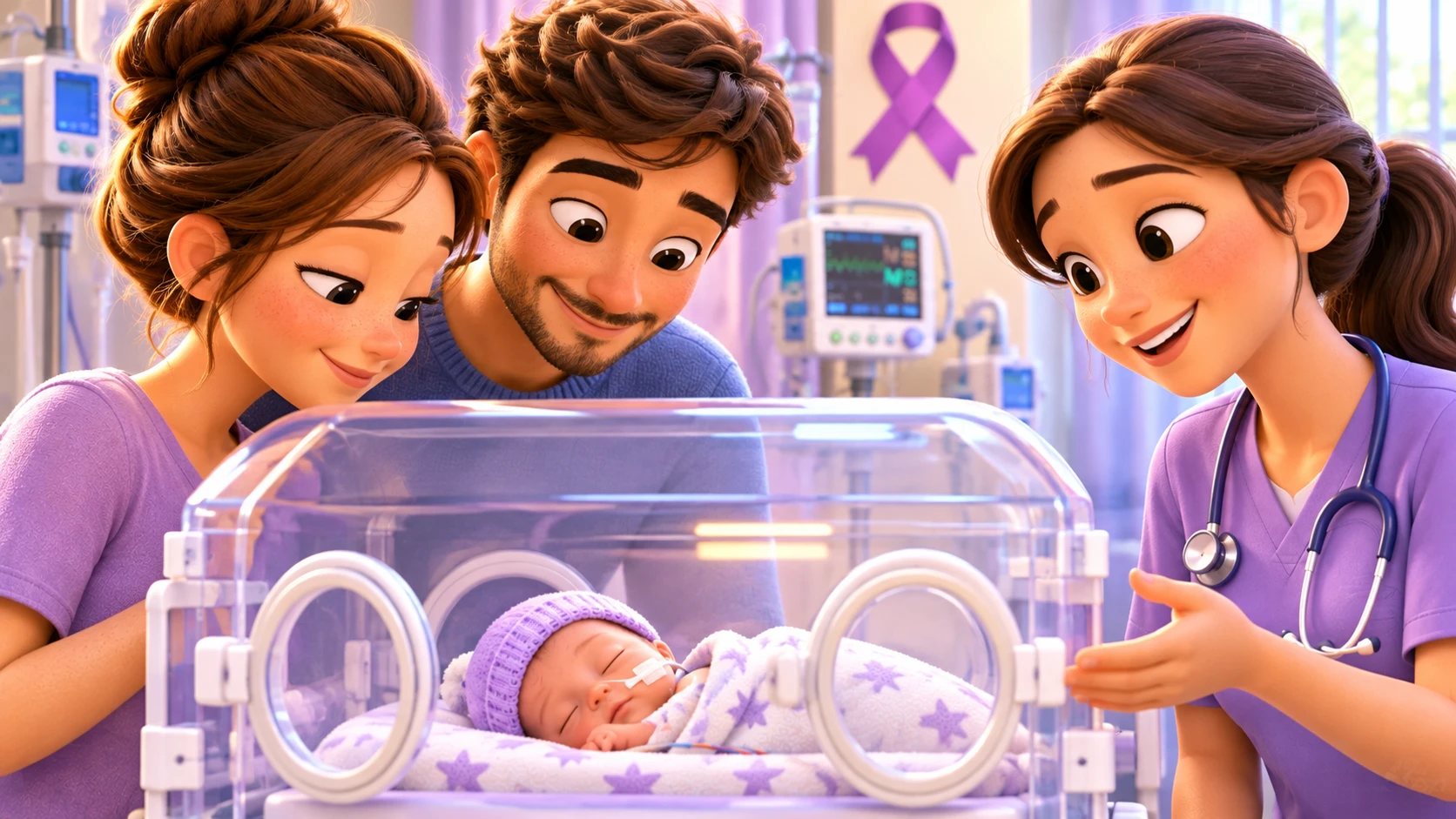
Neonatal intensive care can be emotionally demanding. Incubators and monitors become part of everyday life. When clinical conditions allow, professionals can help parents spend time close to their baby and participate in care.
Returning home
Discharge can bring joy and new worries. Follow-up may include pediatric visits, specialist assessments and family support. Clear information and knowing whom to contact can help families navigate this transition.

Every child has their own journey
First words and steps can feel especially meaningful. Development differs from child to child. Professionals may take early birth into account when assessing development. In everyday life, play, reading and connection can be shared at the child’s pace, without turning them into tests.
How to support families
Finding the right words is not always easy. Simple, respectful gestures often make a difference.
- Listen without minimizing feelings.
- Offer practical help with meals, shopping or errands.
- Respect privacy and avoid pressing for updates.
- Avoid comparing children.
- Stay in touch after discharge.
You do not need an answer to every worry. Letting families know someone is there for them is already meaningful.
The value of parent communities
Parent groups and associations can offer opportunities to connect with people who have had similar experiences. Peer support does not replace healthcare, but it may help reduce isolation.
A day for everyone affected by preterm birth
This day is dedicated to babies, families and professionals. It also recognizes those who have experienced loss or continue to face significant challenges. Not every story has the same ending. Every child deserves care, respect and opportunities, regardless of how their life began.
This article is for information and does not replace advice from the healthcare professionals caring for the child.