Independent editorial article
How to help children recognize emotions: 7 activities for ages 1 to 5
Discover seven games, stories and activities to help children aged 1 to 5 recognize and express feelings.
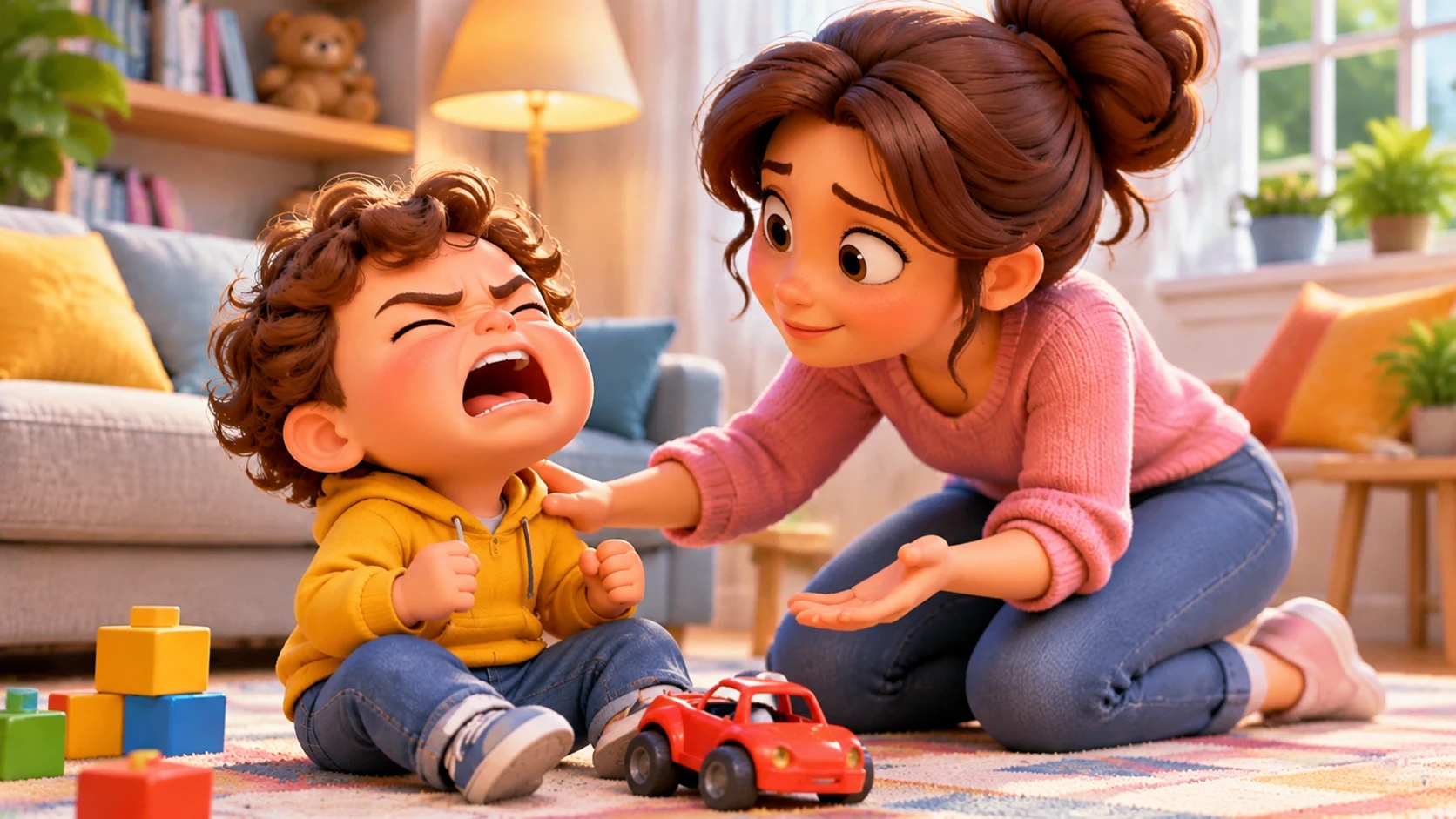
A tower falls, a toy is disputed, or it is time to say goodbye. In early childhood, feelings can be intense and hard to describe. Emotional learning begins when an adult listens, accepts feelings and helps children find words.
What is emotional learning?
Children gradually learn to recognize, express and understand their own and others’ feelings. The goal is not to stay calm all the time, but to find appropriate ways to communicate feelings.
How do emotional skills change from ages 1 to 5?
Ages 1 to 2
Gestures, expressions and crying communicate a great deal. Adults can offer simple words: “Maybe you’re sad” or “Did that scare you?”
Ages 2 to 3
As language develops, children begin using feeling words. Frustration can be difficult to manage; short phrases, routines and a reassuring adult can help.
Ages 3 to 5
Stories, pretend play and conversations can expand emotional vocabulary and understanding of others. These ages are approximate; every child develops at their own pace.
7 activities for recognizing emotions
1. The mirror game
Copy smiles, surprise and sadness in a safe mirror. With older children, invent situations. The same expression can have different meanings.
2. Feeling faces
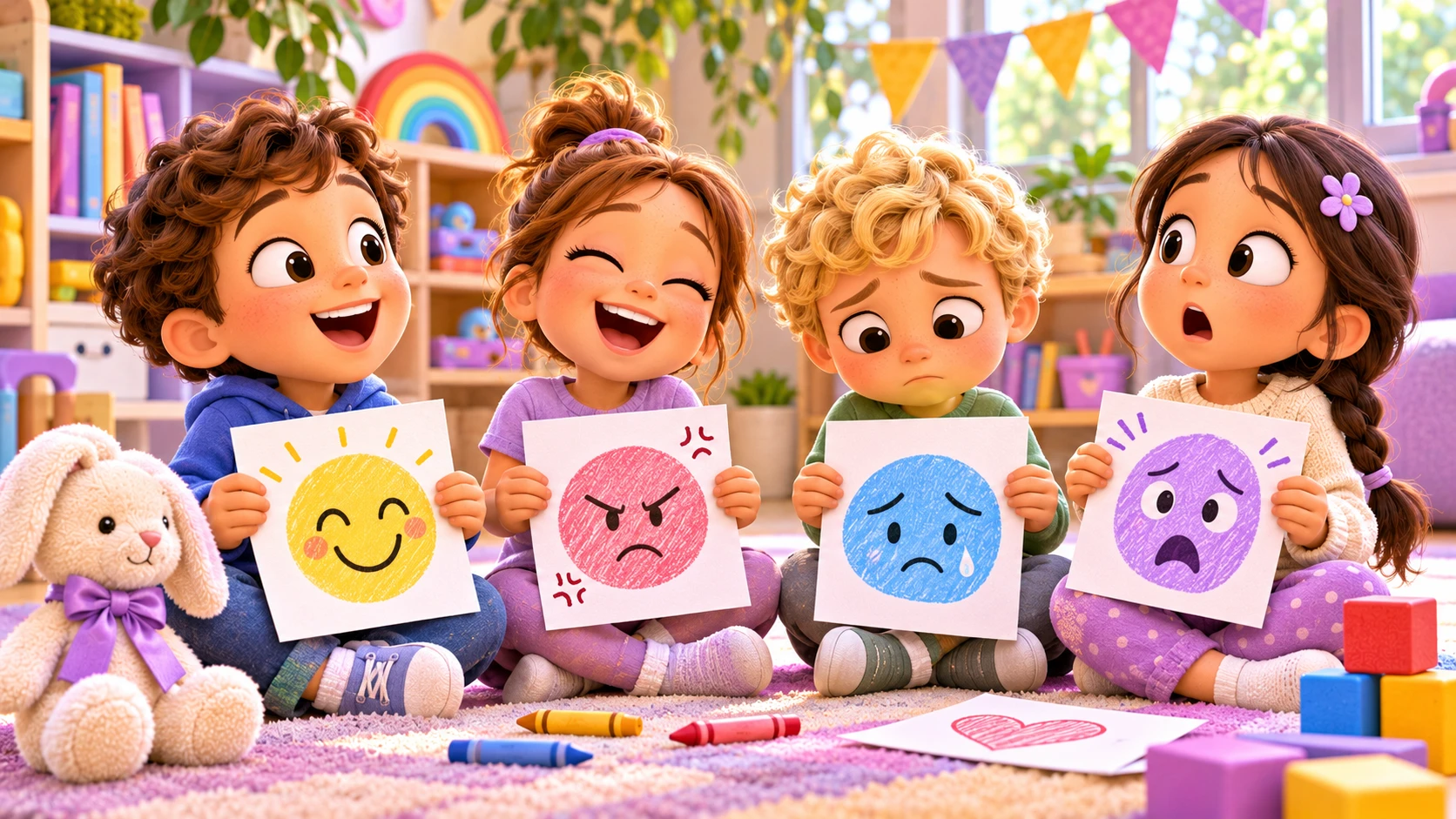
Draw happiness, sadness, anger and fear on large sheets. Invite your child to choose a face without pressure. This is not a test.
3. Colors of feelings
Use age-appropriate art materials and let children choose colors freely. No emotion has a universal color.
4. Feelings in stories
While reading, ask: “How does the character feel? What might help?” For younger children, simply describe the scene.

5. A toy that shares feelings
Make up stories about a toy that loses something or fears a noise. Let your child suggest ideas and solutions.
6. Music and moods
Listen to different melodies and let children move or describe how they feel. Do not impose associations between music and emotions.
7. Bedtime feelings
Recall a moment from the day together. Adults can start by sharing their own experience. Quiet time together is also an opportunity for connection.
When feelings become overwhelming
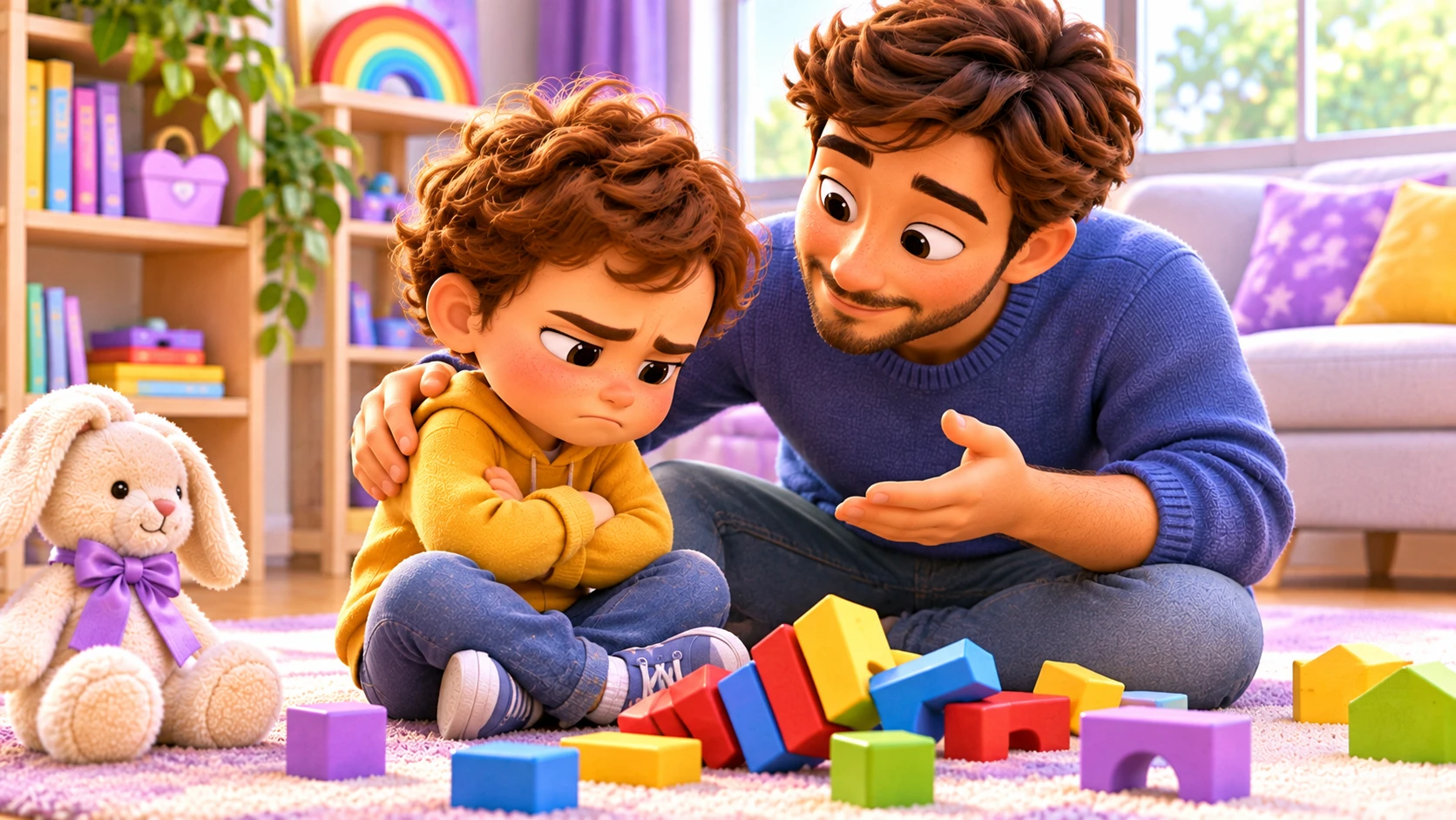
Co-regulation is adult support as children develop their own regulation skills. Keep everyone safe, speak calmly, respect the need for space and postpone explanations. Accepting anger does not mean allowing harm.
Words that help
Instead of “Don’t cry,” try “I see you’re sad. I’m here.” Instead of “You’re bad,” try “You can be angry, but you cannot hurt others.”
Poff: a story about feelings
Poff is a little dragon who blows bubbles instead of fire. His bubbles change with his feelings: anger, sadness, fear and joy. With Lilli the firefly, he discovers something special about himself. Imagine together what bubbles he might create during the day.
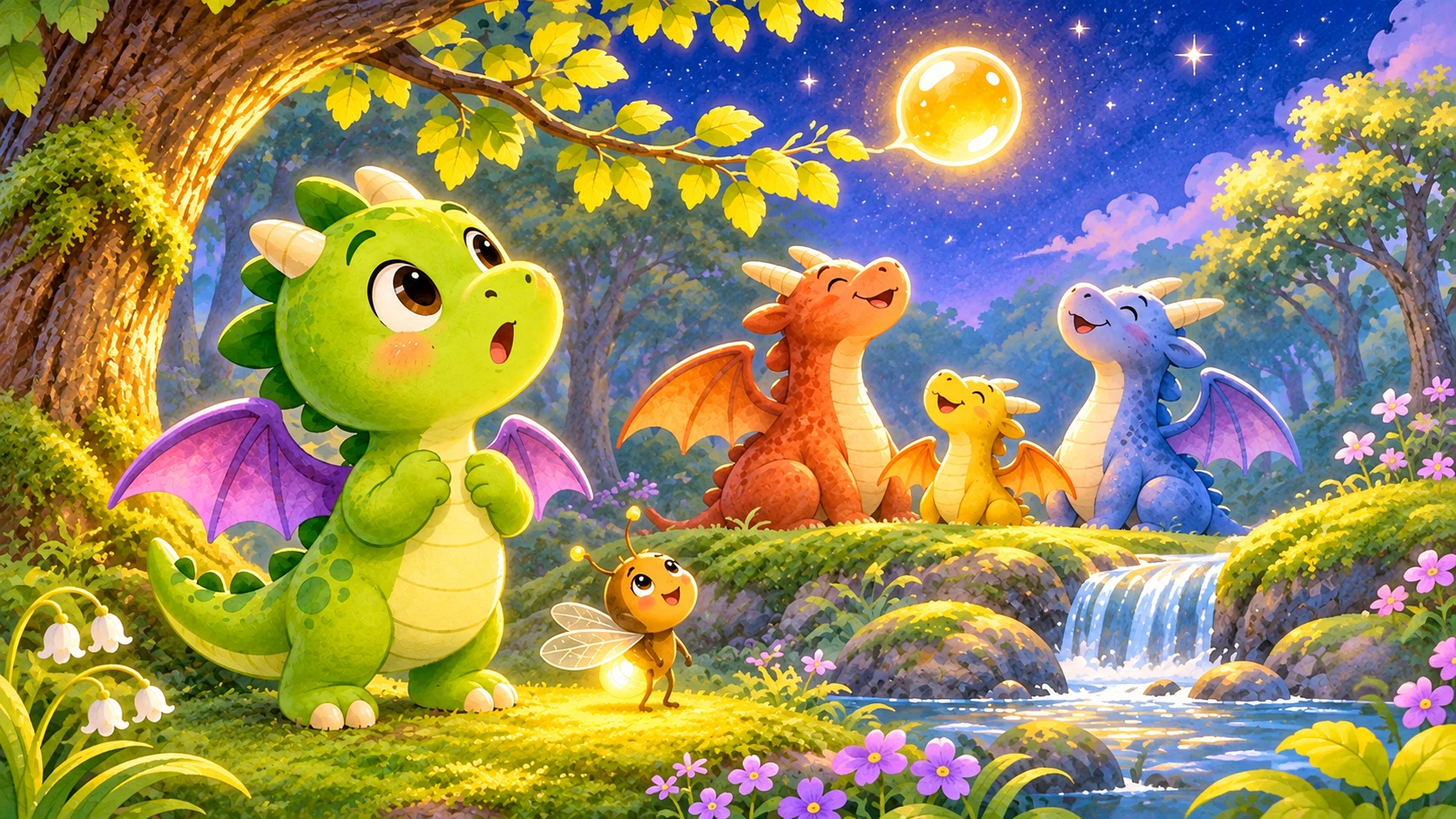
Read and listen to Poff’s story for free (Italian edition).
Growing together, one feeling at a time
Not every moment needs to become a lesson. A story, a game or a walk can be opportunities to understand each other better. Every feeling deserves to be heard.
These activities are educational and recreational, not diagnostic or therapeutic. For persistent difficulties, consult a pediatrician or qualified professional.