Independent editorial article
Potty Training: When to Start, Signs of Readiness and Practical Tips
How to tell if your child is ready, navigate the first attempts, and support independence without pressure.
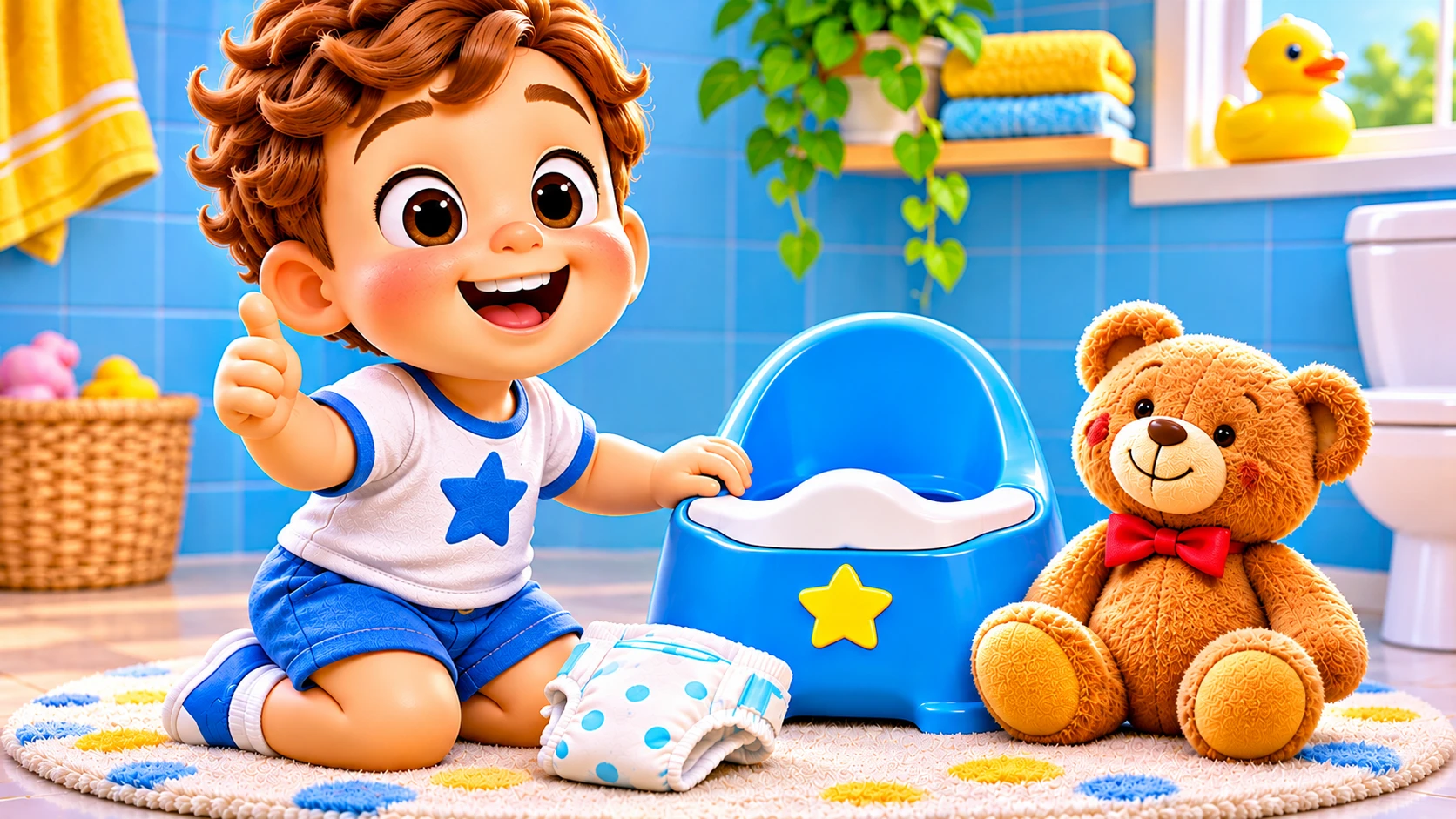
Potty training is an important milestone in a child's development. For many parents, however, it brings questions and uncertainty: When should we start? How can we tell if our child is ready? What if they refuse the potty or keep having accidents? The most important answer is simple: every child develops at their own pace. Learning to use the potty requires physical maturity, the ability to recognize bodily signals, and emotional readiness. In this guide, we explore how to recognize signs of readiness, navigate the first attempts, and manage common difficulties, following guidance from authoritative pediatric sources.
When should you start potty training?
Many children begin developing the necessary skills between 18 months and 3 years, but timing can vary considerably. The American Academy of Pediatrics emphasizes that the skills needed for potty training do not develop on the same schedule for every child. Before using the potty independently, children need to learn to recognize the urge, understand what it means, communicate their need, and reach the bathroom. Age alone does not determine when to start: your child's abilities and behavior matter most. Family circumstances matter, too. Starting during a move, a major change, or a particularly stressful period can make the process more difficult.
Is summer the best time to start potty training?
Summer can make clothing changes easier, but it is not essential. Choose a time when your child shows interest and adults can provide reasonably consistent support.
7 signs your child may be ready for potty training
There is no single decisive sign. Looking at several behaviors together can help you decide whether it is time to start.
- Stays dry for longer. Their diaper stays dry for about two hours or after some naps.
- Recognizes the need to go. They stop, squat, change their expression, or communicate when they need to pee or poop.
- Shows interest in the potty. They are curious about its purpose or want to try it.
- Understands simple instructions. They can follow basic everyday directions.
- Communicates how they feel. They use words, gestures, or other understandable signals.
- Has sufficient motor skills. They can reach the potty, sit down, and get up, with help if needed.
- Is uncomfortable in a dirty diaper. They ask to be changed or try to take it off.
Not all these signs need to appear at the same time. You can introduce the potty through play and simple daily routines, even before your child asks to use it. The key is to support learning without pressure, adapting each attempt to your child's abilities and reactions.
How to potty train: 7 practical tips
Introduce the potty as a familiar object
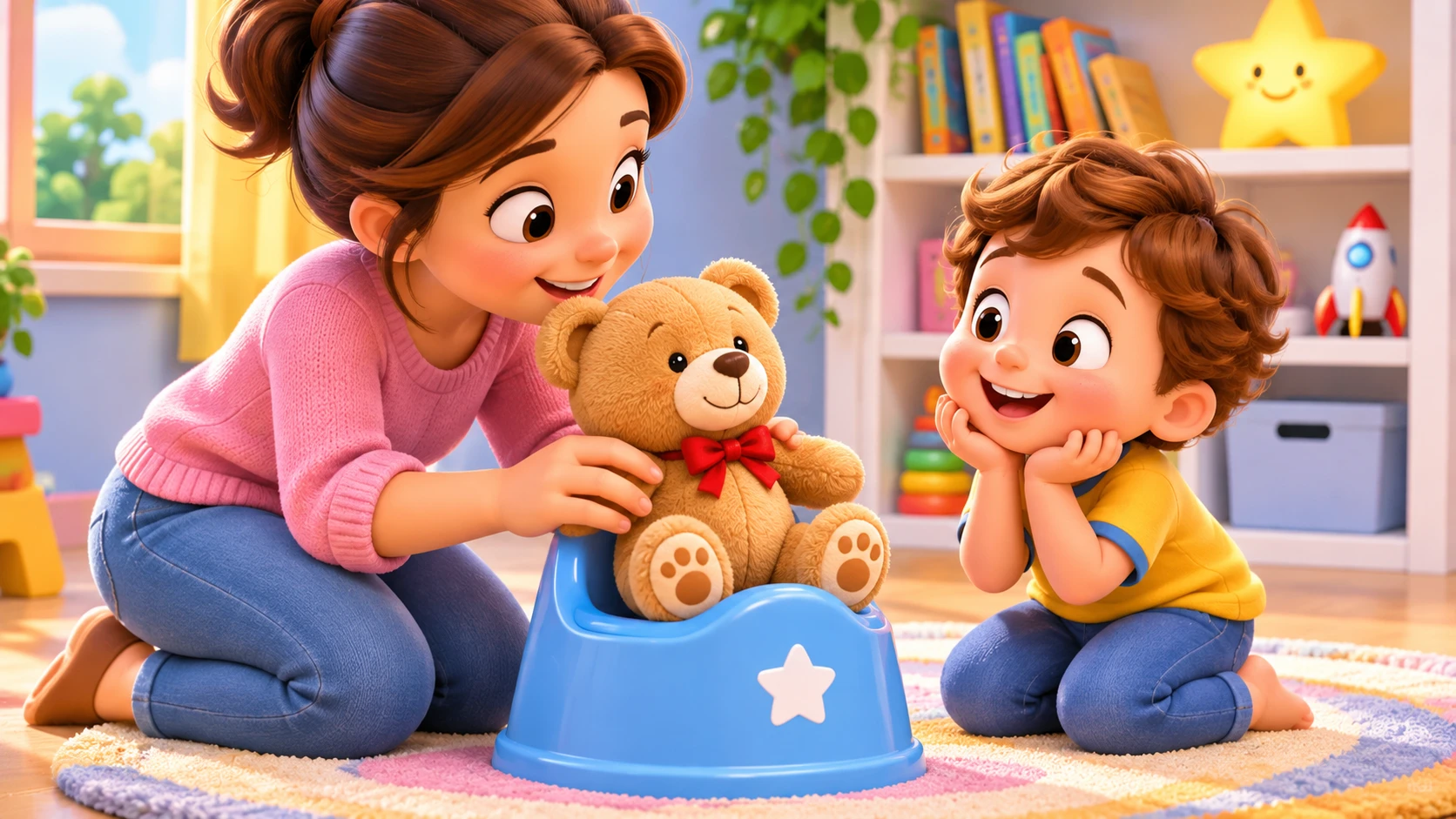
Let your child explore the potty and discover what it is for. At first, they can sit on it fully dressed, without needing to pee or poop. You can use a stuffed animal to demonstrate how it works through play.
Choose simple clothing
Pants with elastic waistbands and clothes that are easy to pull down help your child participate actively. Whenever possible, avoid complicated buttons and clothes that take too long to remove.
Offer the potty at suitable times
After waking up, after meals, or when you notice signs that your child needs to go, invite them to try. A regular routine helps children become familiar with this new habit, but it should not become an obligation. Use these moments to gradually teach your child to wash their hands with soap and water after using the potty or toilet, helping when necessary.
Use simple, natural words
Talk about pee, poop, and the potty without embarrassment. You can say: “If you feel like you need to pee, we can go to the potty.” Avoid words that make normal bodily functions seem shameful.
Encourage even small attempts
Sitting on the potty, communicating an urge, or asking for help are all signs of progress. Simple, sincere encouragement is often enough. There is no need to turn every achievement into a big reward. Recognize your child's effort, not just the result.
Help your child feel comfortable and secure
Your child should feel stable and relaxed. If they use the toilet, choose a secure child-sized toilet seat insert and a step stool to support their feet. Avoid forcing them to stay seated. If they are willing to try, a few minutes is enough.
Involve other caregivers
If your child attends daycare or spends time with grandparents and relatives, share the words and routines you use. A consistent, calm, and flexible approach can make the process easier.
What should you do when your child wets their pants?
Accidents are a normal part of learning. Children need to learn to recognize an urge, stop what they are doing, and reach the potty in time. They cannot always coordinate all these steps right away. When an accident happens:
- Stay calm.
- Help your child change without scolding.
- Avoid teasing or expressions of disgust.
- Keep spare clothes handy.
- Continue encouraging future attempts.
You can simply say: “The pee came out. Let's get changed now.” An accident does not mean your child has forgotten everything they have learned. If difficulties continue, consider whether the routine is too demanding or your child needs more time.
What if your child refuses the potty?
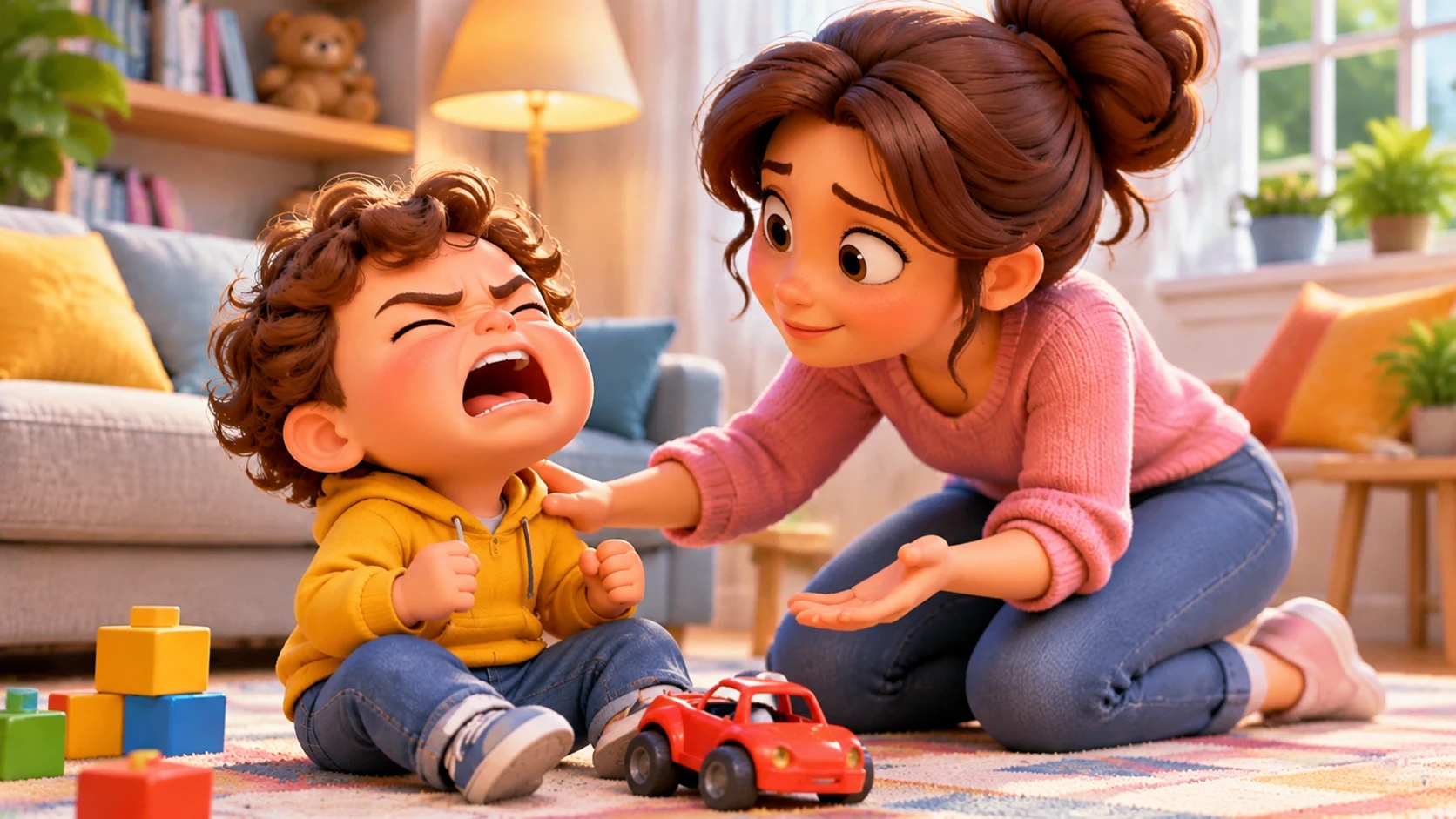
Some children walk away, protest, or refuse to sit down. Refusal may stem from unfamiliarity, fear, a desire for independence, or simply not being ready yet. Avoid forcing the situation. You can offer a picture book on the subject, leave the potty available, or pause attempts for a few weeks. When your child shows interest again, resume gradually. If fear is intense or persistent, or refusal is accompanied by pain or difficulty passing stool, ask your pediatrician for advice.
Potty training and pooping: why can it be harder?
Some children learn to pee in the potty but still ask for a diaper to poop. This may happen because the sensation is different, the toilet feels scary, or the child does not yet feel secure. It is especially important to watch for constipation. When bowel movements are painful, children may start withholding stool. This can worsen constipation and make bathroom time even more difficult.
How to help your child
- Provide a calm, private environment.
- Make sure your child's feet are well supported.
- Offer regular opportunities to try without forcing them.
- Pay attention to stool consistency and any signs of pain.
- Maintain a reassuring attitude.
If you suspect constipation, talk to your pediatrician promptly, preferably before continuing with demanding potty training efforts. Do not give laxatives or other treatments without medical guidance.
Potty chair or toilet seat insert: which is better?
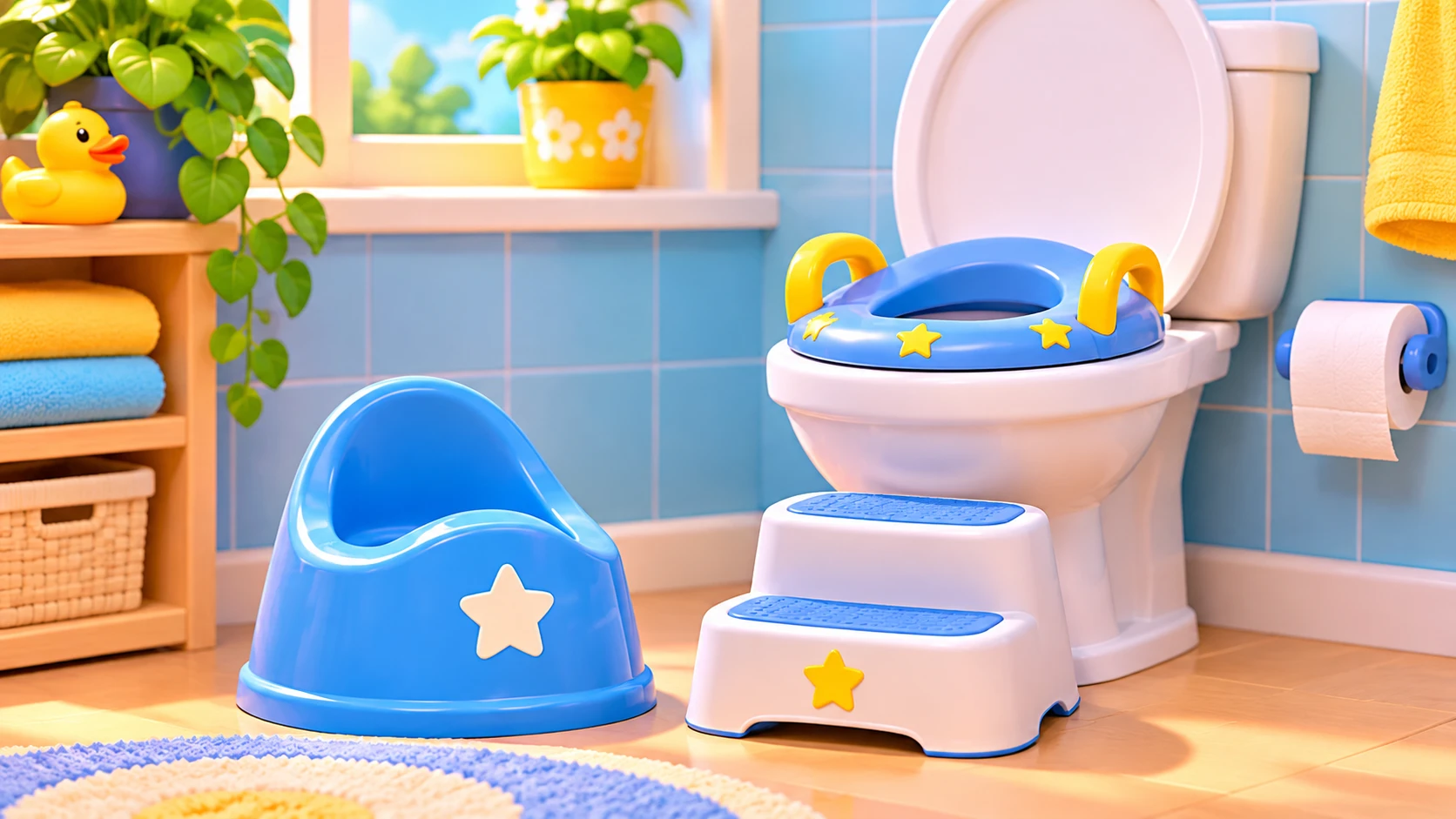
Both options can be suitable. The choice depends on your child's preferences, abilities, and the layout of your bathroom.
The potty chair
It is low, easy to access, and allows your child to rest their feet on the floor. It can be especially helpful during the first attempts.
The toilet seat insert
It allows children to use the adult toilet directly. It should be stable and paired with a secure step stool so their feet are fully supported. A position with the knees slightly higher than the hips can make bowel movements easier. The best choice is the one that helps your child feel safe and relaxed.
When should you stop using diapers at night?
Bladder control during sleep can develop much later than daytime control. A child may use the potty regularly during the day and still need a diaper during naps or at night. This is not a failure. According to Mayo Clinic, most children develop the ability to stay dry at night between ages 5 and 7. There is no need to stop using daytime and nighttime diapers at the same time. When your child regularly wakes up with a dry diaper, you can consider trying without one, using a waterproof mattress protector. Avoid scolding or punishing your child for bedwetting. If you have concerns or new symptoms appear, talk to your pediatrician.
Common mistakes to avoid
During potty training, certain habits can create tension and interfere with learning.
- Starting because others have started. Just because other children are out of diapers does not mean your child is ready.
- Forcing potty use. Making your child sit on the potty can increase resistance.
- Scolding after accidents. Fear of making mistakes does not help children recognize bodily signals.
- Making comparisons. Siblings and peers may develop the same skills at different times.
- Expecting immediate results. Learning takes practice.
- Ignoring constipation. Pain and difficulty passing stool need attention.
- Constantly changing strategies. A simple, reasonably consistent routine is generally easier for children to understand.
What if your child starts asking for diapers again?
After a period of progress, your child may start asking for diapers again or have more accidents. A family change, starting daycare, illness, or a stressful period can temporarily affect routines. Avoid interpreting this behavior as misbehavior. Offer support, simplify the routine, and look for situations that may be causing discomfort. Consider possible physical causes, such as constipation or urinary problems. If the regression is sudden, persistent, or accompanied by pain, burning, fever, or unusual thirst, contact your pediatrician promptly.
How long does potty training take?
There is no universal timeline. Some children quickly learn to recognize the urge, while others need weeks or months to use the potty consistently. Recognizing the need to go, managing clothing, pooping in the toilet, and staying dry during sleep are also different skills. For this reason, methods that promise to eliminate diapers in a few days cannot guarantee the same result for every child. It is more helpful to observe progress and adapt the process to your child's abilities.
When should you ask your pediatrician for advice?
Potty training is a developmental process, but some situations warrant professional evaluation. Contact your pediatrician if:
- Your child experiences pain when peeing or pooping.
- They have constipation, very hard stools, or repeatedly withhold stool.
- They persistently refuse the potty or show intense fear.
- They show no interest in using the bathroom after 30 months, or have not developed daytime control after age 3.
- They suddenly lose skills they had already acquired.
- They develop burning during urination, fever, unusual thirst, or other symptoms.
Age-related guidance provides opportunities to talk with your pediatrician, not thresholds for diagnosing a problem. Children with specific health needs, disabilities, or developmental difficulties may need individualized strategies and additional support. A healthcare professional can assess individual development, identify possible physical difficulties, and recommend the most appropriate approach.
Frequently asked questions about potty training
Is 18 months too early to start potty training?
Not necessarily. Some children already show interest and signs of readiness, while others need more time. You can introduce the potty through simple everyday activities without pressure.
Is age 3 too late?
No. Development varies from child to child. If there is no progress or your child shows no interest, it is still helpful to talk with your pediatrician.
When should you switch from diapers to underwear?
When your child becomes familiar with the potty and can use it during the day, you can introduce underwear. Wearing underwear can help them recognize the difference between being dry and being wet. Let them help choose it and keep spare clothes available. If the transition causes significant distress or your child cannot manage it yet, slow down and resume gradually.
Should you stop using diapers during naps right away?
No. Bladder control during sleep may develop later. You can temporarily continue using diapers during naps and at night.
What if your child wants a diaper to poop?
Avoid forcing them. Watch for signs of fear or constipation and support the change gradually. If your child withholds stool or experiences pain, ask your pediatrician for advice.
Can you use rewards and stickers?
A smile, encouragement, or a small sticker can help some children feel proud of their progress. Material rewards are not necessary. It is better to recognize participation and attempts, avoiding rewards that become a source of pressure.
Conclusion: learning without rushing
Potty training means supporting your child as they develop a new form of independence. It is not just about learning to use the potty, but also recognizing bodily signals, communicating a need, and building confidence. With a simple routine, encouragement, and attention to difficulties, this transition can become a positive experience for the whole family. Every child develops at their own pace. The most important goal is not to stop using diapers as quickly as possible, but to learn while feeling safe, respected, and supported.
This article is for informational and educational purposes and does not replace your pediatrician's advice. If you have concerns about your child's health or development, consult a qualified healthcare professional.